Recent failures in the DM Fer 1 auctions have left a deep mark on the national green ambition. In recent years, Italian renewables have grown, but the pace of development continues to fall short of the 2030 energy targets. The biggest problem? The authorization process for new plants, which today collides with a web of regional regulations and bureaucracy.
“After about two years and six procedures for renewable sources,” explains the President of the Coordinamento Free, Livio de Santoli, “approximately 3,127 MW have been assigned compared to the 5,660 MW planned.” Three gigawatts in two years, while the National Energy and Climate Plan calls for 42 GW by 2030. A target that will very likely be raised to 70 GW following the government review. “This means we are moving toward the European goal at an unacceptable pace. At this rate, we will reach the 42 GW target only in 2048 and the 70 GW target in 2065,” adds de Santoli.
The problems facing Italian renewables are not a mystery, and the Government has already started countermeasures to simplify and accelerate green development. But for the sector, there is still much work to do. On the matter, the Coordinamento Free itself has proposed four “radical and courageous” measures to address today’s critical issues.
The Coordinamento free proposals
- Double the allocation: the current quota is not sufficient for Italy to reach European targets.
- Immediately identify areas where renewable plants can be built without constraints: the guidelines from the Prime Minister’s Office are not enough. Response times from the Regions must be limited, and decisions may need to be centralized if necessary.
- Define soon the minimum emission reduction quotas to be assigned to each region (burden sharing).
- Improve legislative proposals on simplifications, which currently appear weak and ineffective. For example, limit the role of the Superintendencies to their own areas of competence and to areas that are actually deemed unsuitable.
“In the case of photovoltaics,” explains the Association, “it will be necessary to plan ground-based plants, primarily in industrial areas and degraded or abandoned agricultural land, or areas declared unsuitable for agricultural production […] as well as agro-photovoltaic solutions on productive agricultural land.” The Coordinamento FREE has estimated approximately 37,500 hectares available for photovoltaics.
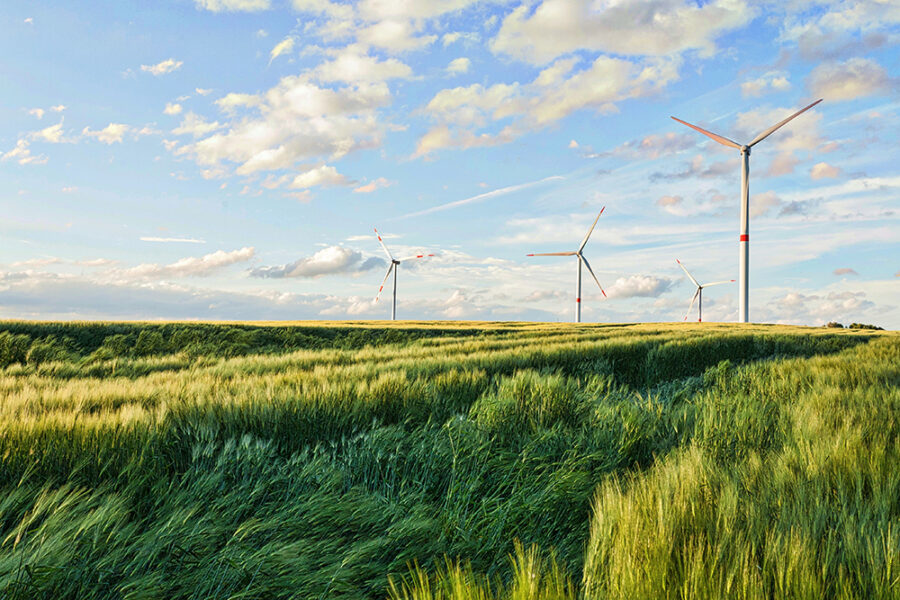
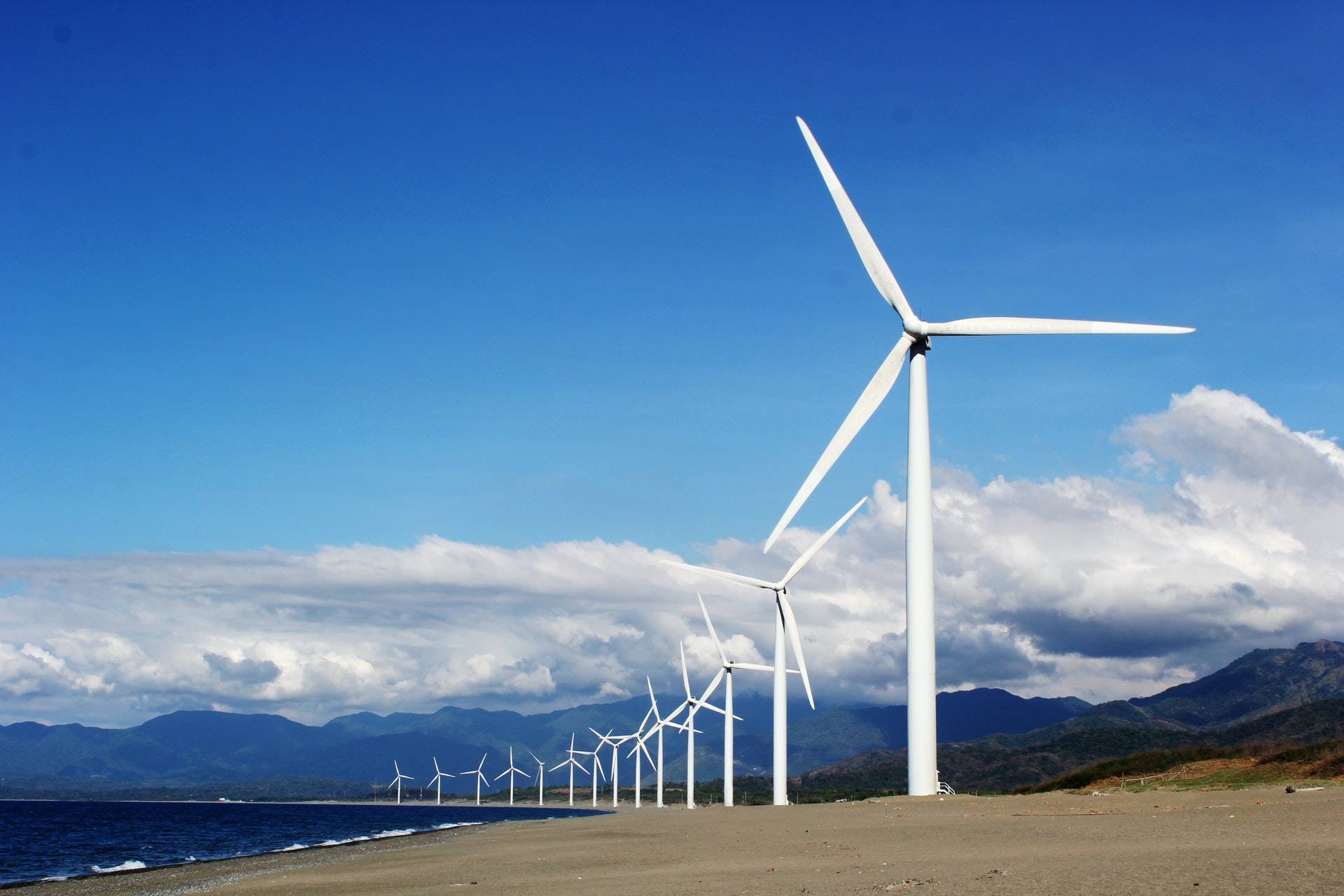
For wind energy, it calls for “super-simplified” procedures applicable to all unconstrained sites or those subject to repowering. “Finally, to achieve these goals, it is necessary to review current support policies for photovoltaics, starting with DM Fer 1. For wind energy, it is urgent to identify a mechanism to adjust the support tariff, taking into account the significant recent increase in the cost of wind turbines (+15%) due to rising raw material prices.”
(Source: rinnovabili.it)